New York Food Waste Action Network
The New York Food Waste Action Network was founded by Environmental Advocates NY, City Harvest, Island Harvest and Earthjustice— environmental and food rescue organizations determined to address the problem of reducing food waste and hunger.
Our mission is grounded in influencing New York State and local food waste policy in order to increase food access, stop the flow of food to landfills, and reduce methane emissions through advocacy, while bringing together stakeholders from across the food system. We are committed to working across both aisles to address the problem of food waste.
About the Problem
Why is food waste a problem?
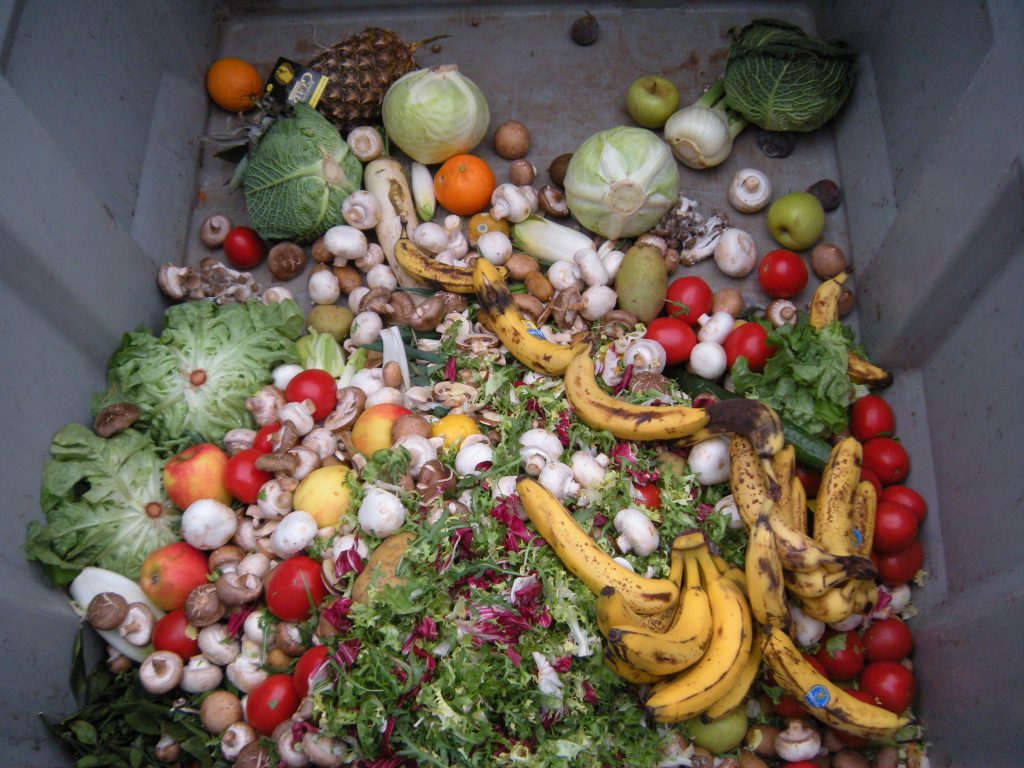
According to the United States Environmental Protection Agency, up to 40% of food produced in America is wasted. That means nearly half of the food grown here is wasted instead of being used to feed ourselves, our families, and our neighbors in need. Not only is that food wasted, the vast resources needed to support that food production is wasted as well.
Furthermore, research has indicated that this wasted food has significantly contributed to the production of methane gases in landfills, with food waste being the single largest category of material placed in municipal landfills.However, this is a problem that we can solve.
How much food is wasted?
Across the food system there are multiple reasons food may be thrown out including overproduction, poor storage or handling, and consumer confusion surrounding date labels. Approximately 30%- 40% of food (largely still edible) is thrown out, with a significant amount ending up in landfills, contributing to the estimated 58% of the fugitive methane emissions coming from municipal solid waste (MSW) landfills. What’s more, according to ReFed, the sector with the largest percent of waste is households; simply it’s us. NYFWAN is working to reduce waste in all sectors, and ensure people have the accurate information they need to purchase the appropriate amount of food that they need, eat what they purchase, donate what they don’t eat, and turn as little of that food into garbage as they can.
What are some of the benefits of rescuing food from landfills?
When we eat the food we buy and donate what we’re unable to eat instead of sending that food to landfills, we help feed our neighbors and eliminate methane emissions from landfills. And by donating just 5% of the food that we turn into garbage from landfills, we could enable food banks to increase the amount of food available by 20% for our neighbors in need.
What is the New York Food Waste Action Network doing?
NYFWAN is committed to common-sense solutions, like encouraging people to buy the right amount of food for themselves and their families, donating food, composting kitchen waste, and more innovative strategies to ensure that the food we produce feeds New York families and prevents waste.
We are advocating and educating our lawmakers about common sense solutions like the Food Date Labeling Act (A7291/S7618), a bipartisan bill sponsored by Member of Assembly Karines Reyes and State Senator Michelle Hinchey.
Rescuing food from landfills is important. But we can’t truly solve the food waste problem unless we work together to reduce waste at the source — and that means legislation.
— Niamh Moore, EANY
Island Harvest is helping consumers by advocating for clearly and easily understood food date labels. Standardized food date labels will help ensure purchased food is eaten or donated instead of becoming part of the waste stream.
—Gregory A. May, Island Harvest Food Bank
Cutting food waste through smart legislation slashes emissions, saves money and precious resources, and puts food where it belongs—on people’s plates.
—Ashley Ingram, Earthjustice
Join the Action Network
Join the coalition yourself, and be part of the food waste solution! We’ll keep you updated on important legislation and other developments in Albany, New York City, and across the state.
If you represent an organization, your organization can join, too.
Learn More & Take Action
The Food Date Labeling Act (A7291/S7618) simplifies food date labels by limiting language for date labelling to “Best if Used by” and “Use by” to reduce consumer confusion and requires producers and manufacturers to use scientifically valid methods to estimate food dates.
The NYC Solid Waste Management Plan provides a framework for the next decade of solid waste reduction, organics management, reuse, recycling, and resource recovery in our largest city. This plan is key for the city’s decision making about solid waste management over the next 10 years and will shape priorities across all areas of waste, making public comments critical.
The public comment period ended on January 16, 2026. You can read the coalition and EANY’s comments below.
Sponsoring Organizations
Image credits: 1
